By Steve K.
In the Alcoholics Anonymous (AA) book, The Twelve Steps and Twelve Traditions, the source of human emotional difficulties is identified as the result of instinctual excesses; specifically, the basic needs for emotional and material security, social approval and acceptance, and the need for sex.
“Yet these instincts . . . often far exceed their proper functions. Powerfully, blindly, many times subtly, they drive us, dominate us, and insist upon ruling our lives. Our desires for sex, material and emotional security, and for an important place in society often tyrannize us. When thus out of joint, man’s natural desires cause him great trouble, practically all the trouble there is. No human being, however good, is exempt from these troubles. Nearly every serious emotional problem can be seen as a case of misdirected instinct. When that happens, our great natural assets, the instincts, have turned into physical and mental liabilities.” (pp. 43-44)
The 12 Step view is that excessive basic instincts, related to fear-based self-centredness, are at the root of addiction: be it alcohol, drug, gambling, work, sex or love addiction. What AA literature doesn’t explore is the root cause of this self-centredness, other than to suggest it is the result of fear.
If you listen carefully to what AA members share in meetings, there is often a common theme of low self-esteem or shame. Low self-esteem, shame, and emotional insecurity seem to be common characteristics among those who’ve suffered addiction.
The origins of low self-esteem are generally thought to be found in the developmental years of childhood and adolescence. If children do not receive the love and attention they require for healthy development it often results in emotional instability and relationship difficulties. These children grow into adults with a strong sense of shame and unmet needs for love and security. They often experience a chronic feeling of emptiness and rejection.
It’s natural to want to escape such a painful emotional state of being. Thus driven by distorted instinctual fear, they attempt to fill this emptiness in various ways.
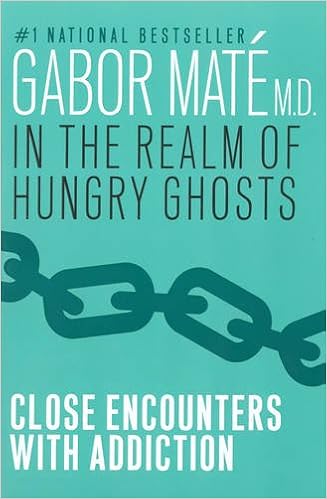
The addict’s demand is excessive due to the acute sense of hunger or emptiness felt. They feel persistently threatened, fearful, and therefore self-centered, because of their chronic sense of deprivation. They are “in the realm of hungry ghosts,” to quote the title of Gabor Mate’s excellent book about addiction, which comes from a Buddhist phrase for the addiction realm of human existence.
In relation to the psychological, emotional and social aspects of addiction, which drive neurobiological changes, the addict is merely attempting to meet unmet needs for love and security. Mate explains that, unfortunately, the behaviors, objects and substances they relate to in addiction are “poor substitutes for love.” (1) They fail to meet the real needs; hence, the insatiable desires of addiction.
The ultimate answers are self-love and compassion. Help from others is often needed, though, as those suffering addiction begin their journeys of recovery and self-actualization.
A Spiritual Solution to Fear.
“Selfishness – self-centeredness! That, we think, is the root of our troubles. Driven by a hundred forms of fear, self-delusion, self-seeking and self-pity . . ..” (Alcoholics Anonymous, p. 62). Spiritually speaking, fear is said to be the opposite of love. How do the Twelve Steps help free the alcoholic from his fear? I believe it’s through love.
In my case, to a large degree, the causes of my excessive fear and insecurity originated in childhood through a lack of love and emotional security. A therapist once told me that I was “broken-hearted” as a result.
AA views alcoholism primarily as a spiritual illness, and the Twelve Steps as its spiritual solution. Alcoholism is seen as an illness of the mind, body and soul. It is believed that in healing spiritually, the alcoholic also heals mentally, emotionally and physically.
AA literature suggests that the root cause of the alcoholic’s spiritual illness is self-centered fear, which only God or a Power Greater can remove. As an agnostic within the AA fellowship, I favor the idea that “God is Love,” a common concept which can be related to both spiritually and humanistically.
Within this viewpoint, fear can be seen as a barrier to God or Love, and the term “broken-hearted” as being cut off from Love or God. Alcoholics are seen as full of fear, and therefore self-centered in their attempts to satisfy their unmet needs for love and security. They’re merely trying to fill the emptiness and sadness left by love or God’s absence.
Turning to Love.
It is by practicing the spiritual principles contained within the Twelve Steps and inspired by the AA Fellowship, that the alcoholic embraces love, the practice of letting go, and eventually freedom from self-centered fear.
The practice of the Twelve Steps facilitates inner change, awareness and growth. Change happens to a person’s thinking, feeling and behavior over time, and the Twelve Steps bring about a more loving relationship with self, others and the world.
I believe the insecure addict heals through love’s triumph over his fear.
 12-STEP PHILOSOPHY
Muchas gracias. ?Como puedo iniciar sesion?
LikeLike
I love that I found someone else who shares my thoughts. I’m also grateful to you for introducing me to Gabor Mate, what an awesome man he is. Thank you sincerely.
LikeLike